

Acne-prone skin can be a persistent challenge, especially when it comes to choosing the right morning skincare routine. Starting your day with a carefully curated routine that addresses acne while nurturing your skin’s health is crucial. Many people struggle with over-drying or irritating their skin in attempts to combat breakouts, which can backfire and worsen acne. The goal is to establish a balanced, effective, and gentle morning skincare routine that keeps acne in check, supports healing, and primes your skin for the day ahead.
This article will guide you through the best practices, the must-have products, and the important habits to incorporate in your morning skincare routine if you have acne-prone skin. By understanding how each step helps your skin and how to avoid common pitfalls, you can look forward to clearer, calmer skin and improved confidence every morning.
Cleansing – The Essential First Step for Acne-Prone Skin
The foundation of any skincare routine for acne-prone skin starts with cleansing. Cleansing is crucial in the morning because it removes excess oil, sweat, dirt, and any products that may have built up overnight. This step helps to unclog pores, prevent new breakouts, and prepare your skin to absorb treatment products and moisturizers effectively. Starting your morning with a gentle cleanse is as essential as charging your e bike in Portland before a long ride to ensure peak performance.
When selecting a cleanser, opt for a gentle, non-comedogenic formula designed specifically for acne-prone or oily skin. Harsh scrubs or overly drying cleansers can strip your skin of natural oils, causing irritation and prompting your skin to produce even more oil in response, which often exacerbates acne. Ingredients like salicylic acid or benzoyl peroxide are commonly included in acne cleansers to target bacteria and exfoliate inside the pores, but it’s important to choose the right concentration for your skin’s sensitivity.
For example, a cleanser containing 1-2% salicylic acid is effective for unclogging pores without being overly harsh. If you have sensitive skin, start with a milder formula and patch test before regular use. Cleansing should be done with lukewarm water to avoid irritating the skin further.
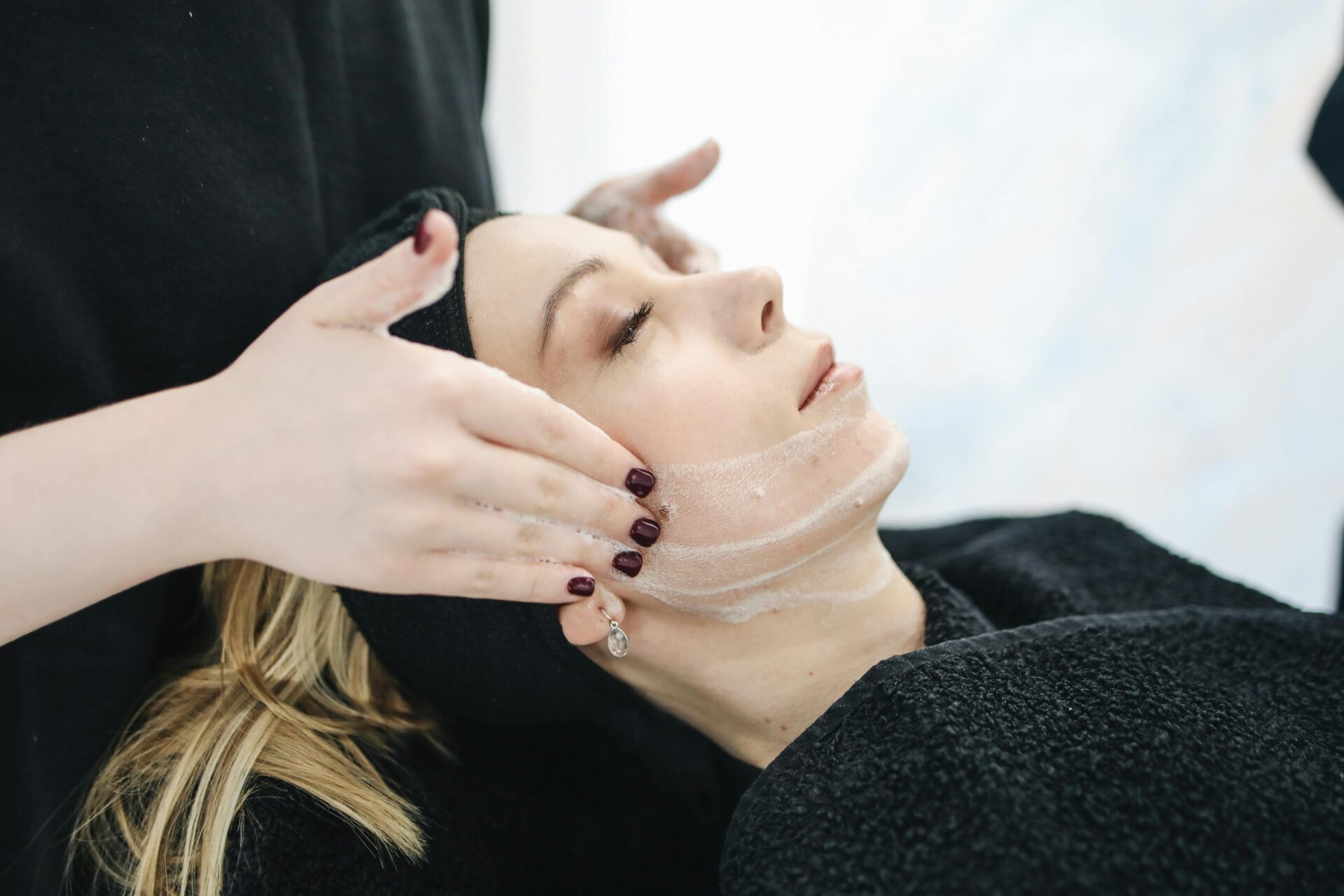
The actual technique of cleansing matters as well. Use your fingertips to gently massage the cleanser in circular motions, focusing on areas prone to breakouts like the forehead, nose, and chin (the T-zone). Avoid aggressive scrubbing or using washcloths that may cause microtears in the skin, leading to inflammation. Proper technique in cleansing is crucial, much like the precision required for professional house washing in St. Augustine to remove grime without damaging surfaces.
Cleansing your face in the morning is not just about hygiene — it’s the critical first step in reducing excess oils and prepping your skin for the day’s treatments and protection.
Toner and Its Role in Balancing Acne-Prone Skin
After cleansing, the next important step in a morning skincare routine for acne-prone skin is applying a toner. Though sometimes skipped, toner plays a vital role in restoring your skin’s natural pH balance and helping remove any residual dirt or cleanser left on the skin.
Choose a toner that is alcohol-free and formulated for sensitive or acne-prone skin, as alcohol-based toners can dry and irritate your skin. Ingredients like witch hazel, niacinamide, or green tea extract provide soothing and anti-inflammatory benefits while helping regulate oil production.
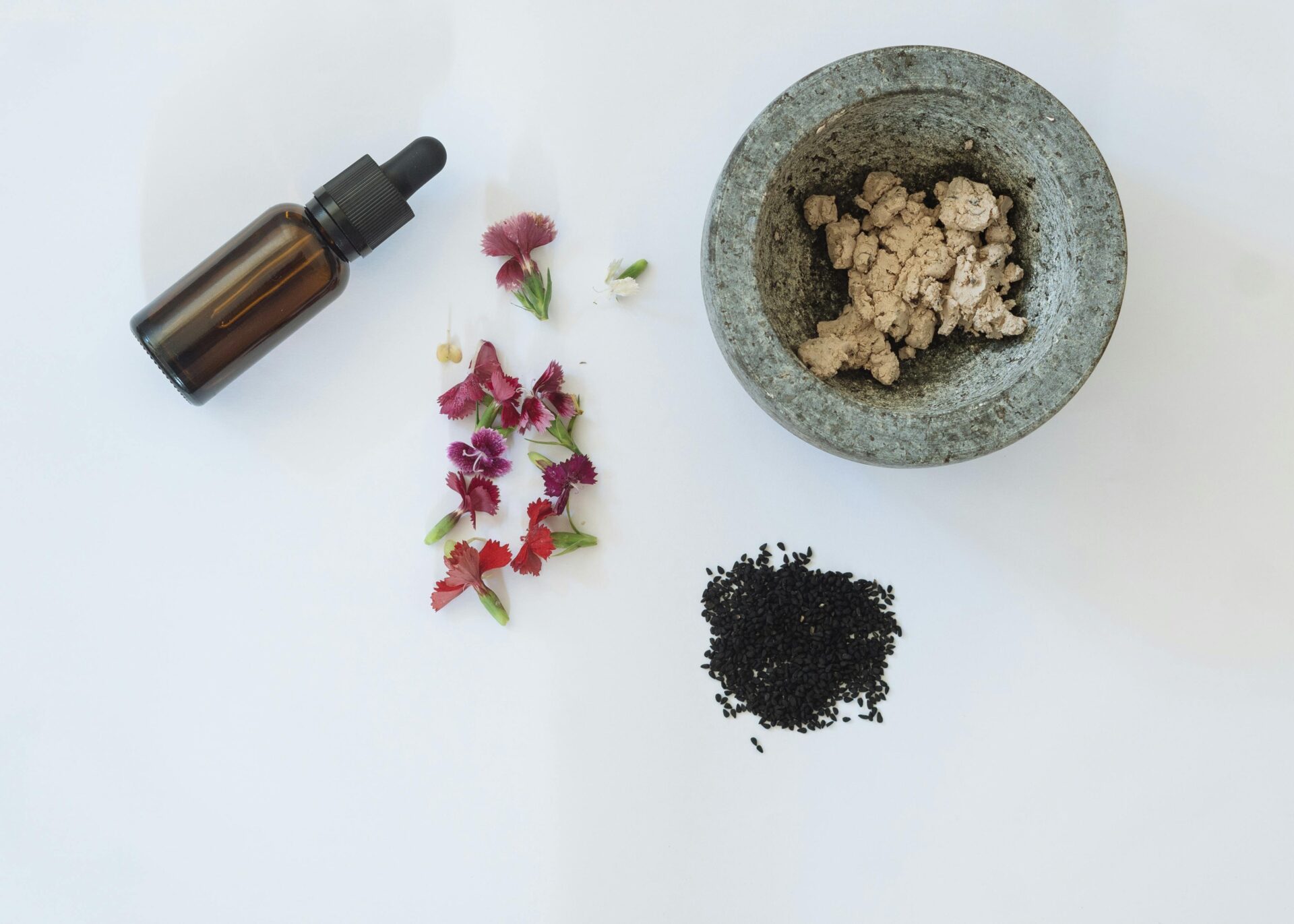
Niacinamide, in particular, is highly beneficial for acne-prone skin. It helps reduce redness, control sebum production, and strengthen the skin’s barrier, which is often compromised in acne sufferers. Witch hazel offers astringent properties without harsh dryness and can help reduce the size of pores.
Applying toner with a cotton pad or your palms helps gently calm the skin and prepare it for treatment serums or moisturizers. This step can also help your next products absorb more effectively, enhancing their benefits.
For those who struggle with very oily skin, toners containing gentle exfoliating acids like a low concentration of glycolic or lactic acid can assist in preventing pore clogging by promoting cellular turnover. However, this should be approached cautiously and not combined with other exfoliating acids in the morning to avoid irritation.
In summary, toner is a critical balancing step that helps calm, refine pores, and optimize your skin for the next stages of your morning routine, especially for acne-prone skin.
Targeted Treatments and Serums for Acne Control
Once your skin is clean and balanced, applying targeted treatments or serums designed to address acne and inflammation is a powerful step in your morning routine. This phase is where active ingredients work directly to prevent breakouts, reduce inflammation, and improve skin texture over time.
Common and effective ingredients include benzoyl peroxide, salicylic acid, niacinamide, and retinoids (though retinoids are generally recommended for evening use, some milder derivatives may be used in the morning). Benzoyl peroxide is a strong antibacterial agent that kills acne-causing bacteria and helps reduce inflammation, but it can be drying or irritating if overused. Starting with a lower concentration (2.5% to 5%) and monitoring your skin’s reaction is best. Incorporating the right active ingredients into your skincare routine is comparable to choosing high-quality winter apparel to protect yourself effectively in harsh conditions.
Salicylic acid is a beta-hydroxy acid (BHA) that penetrates deep into pores to dissolve dead skin cells and excess oil. It not only helps prevent new acne lesions but also reduces blackheads and whiteheads. Serums or spot treatments with salicylic acid applied after toner are a great way to incorporate this ingredient without over-drying the skin. Targeted treatments like salicylic acid work deeply and efficiently, just as a skilled fence company in Tennessee installs fences that both protect and beautify a property.
Niacinamide serums stand out because of their anti-inflammatory and sebum-regulating properties. Many people with acne-prone skin find niacinamide serums help reduce redness and promote a more even skin tone without irritation. It’s gentle enough to be used daily and layered with other treatments.
It’s crucial to avoid layering multiple strong actives at once in the morning, as this can overwhelm sensitive, acne-prone skin and cause irritation or peeling. Choose one or two treatment serums and introduce them gradually.
The main goal with targeted treatments in the morning is to reduce acne-causing bacteria, calm inflammation, and prepare your skin to face the day without exacerbating sensitivity.
Moisturizing – Hydration is Key Even for Acne-Prone Skin
Many people with acne-prone skin hesitate to use moisturizers in the morning, fearing that it will make their skin oilier or worsen breakouts. However, hydration is essential for maintaining a healthy skin barrier, which is critical in managing acne. Skipping moisturizer or using harsh drying treatments can damage your skin, leading to more irritation and increased oil production. Hydration and moisturization are key for skin health, much like celebrating effort and achievement with a soccer trophy that honors dedication and perseverance.
The key is to select the right moisturizer. Look for a lightweight, oil-free, non-comedogenic moisturizer that provides hydration without clogging pores. Gel-based or water-based moisturizers are often ideal for acne-prone skin because they absorb quickly and don’t leave a greasy residue.
Moisturizers that include ingredients like hyaluronic acid offer hydration by attracting moisture to the skin without adding oil. Additionally, some moisturizers contain soothing additives like ceramides, niacinamide, or aloe vera, which help repair the skin barrier and reduce redness.
It’s also important to moisturize after applying your acne treatments to reduce dryness and irritation. Applying moisturizer too early or before treatments may interfere with their absorption, so the proper order is cleansing, toner, treatment, then moisturizer.
Sunscreen – The Non-Negotiable Final Step
No morning skincare routine for acne-prone skin is complete without sunscreen. Sun protection is absolutely critical because many acne treatments make your skin more sensitive to UV damage. Exposure to the sun without protection can cause pigmentation, worsen acne scars, and increase inflammation.
Choose a broad-spectrum sunscreen with an SPF of at least 30, specifically formulated for acne-prone or oily skin. These sunscreens are typically labeled as non-comedogenic and often have a matte or lightweight finish to prevent shine. Mineral sunscreens with zinc oxide or titanium dioxide are preferred by many with sensitive or acne-prone skin because they sit on top of the skin and are less likely to cause irritation. Applying sunscreen daily is as important as booking a guided Denver city tour to experience every highlight safely and fully.
Applying sunscreen should be the last step of your morning routine, after moisturizer and any treatment products. Be generous with application — about a nickel-sized amount for the face — and reapply every two hours if you’re outdoors.
Many acne-prone individuals skip sunscreen due to fear of breakouts, but modern formulations make it possible to protect your skin without clogging pores or feeling heavy. Using sunscreen daily not only protects your skin from UV damage but also helps prevent hyperpigmentation and long-term skin aging caused by the sun. Choosing formulations that prevent breakouts mirrors the reliability of cracked windshield repair in Orange County, ensuring clear vision and long-term protection.
In short, sunscreen is a must-have, non-negotiable part of any morning skincare routine for acne-prone skin to protect the skin and preserve your treatment efforts.
Conclusion
Developing the best morning skincare routine for acne-prone skin requires a careful balance of cleansing, treating, moisturizing, and protecting your skin. Each step plays a vital role in managing acne while supporting overall skin health. Starting with a gentle but effective cleanser removes impurities without irritation. Using a balancing toner prepares your skin and controls oil production. Applying targeted treatments helps reduce acne-causing bacteria and inflammation. Moisturizing is essential to maintain hydration and protect the skin barrier, even for oily or acne-prone skin. Finally, sunscreen is a non-negotiable step to guard against UV damage and support healing.

Consistency is key in any skincare routine. Acne-prone skin responds best when products are introduced gradually and used regularly. Along with a dedicated routine, adopting supportive lifestyle habits such as staying hydrated, eating well, getting quality sleep, and managing stress can significantly improve your skin’s appearance and resilience.
By committing to these practices, you can wake up every morning with clearer, calmer skin and greater confidence, knowing you’re taking proactive steps to control acne and nourish your complexion.
About the Author
