

In recent years, the concept of the traditional home has undergone a profound transformation. Increasingly, open spaces in residential design are no longer reserved for singular uses such as solely living or dining rooms. Instead, the modern home demands flexibility, blending various functions—work, leisure, socializing, and even fitness—within the same living area. This shift is driven by evolving lifestyles, technological advances, and changes in how people interact with their environments. The COVID-19 pandemic accelerated this trend, as remote work and home-based schooling became essential, pushing homeowners and designers to rethink spatial arrangements.
Open spaces reimagined as multifunctional living areas allow for efficient use of square footage, especially in urban settings where space is at a premium. The challenge and opportunity lie in creating zones within an open floor plan that can accommodate diverse activities without sacrificing comfort or aesthetics. This fluidity fosters a dynamic environment where boundaries between work and play blur, supporting a more integrated lifestyle. Small indulgences, like enjoying cookies and cream edibles during a break, can enhance the comfort and livability of these multifunctional spaces.
Key to this reimagination is the use of flexible furniture, modular layouts, and smart design elements that encourage easy transition between functions. For example, a dining table might double as a workspace during the day, or a sofa can be part of a home office nook that folds away when not in use. Technology also plays a crucial role, with wireless solutions and compact gadgets enabling a seamless shift from professional tasks to recreational pursuits.
The cultural embrace of work-life balance and wellness has further fueled demand for living spaces that cater to both productivity and relaxation. Creating multifunctional areas not only maximizes utility but also enhances well-being by reducing the stress of cramped or compartmentalized homes. By breaking down spatial barriers, residents enjoy a sense of openness and connection, making their living environments more enjoyable and adaptive to changing needs. Some homeowners are even incorporating cozy corners with warm veteran clothing to add a personal and comforting touch to their spaces.
Design Principles for Effective Multifunctional Spaces
To successfully create multifunctional living areas, certain design principles must be followed to balance aesthetics with practical use. One of the foundational principles is zoning—dividing a large open space into distinct areas without erecting walls. This can be achieved using furniture placement, rugs, lighting, and color schemes to visually separate spaces dedicated to work, leisure, dining, or socializing. Zoning enables the brain to recognize different areas for specific tasks, improving focus and relaxation even within a shared environment.
Lighting design is another crucial factor. Task lighting must complement ambient lighting to accommodate different activities in the same room. Adjustable lighting options, such as dimmers or layered light sources, allow the user to tailor the atmosphere to their needs. For example, a bright desk lamp can energize a work zone, while warm overhead lighting sets a cozy mood for downtime. Incorporating natural light enhances the sense of openness and positively impacts mood and productivity. Creating a relaxing corner for activities like a full body massage in Las Vegas can be enhanced with the right lighting choices.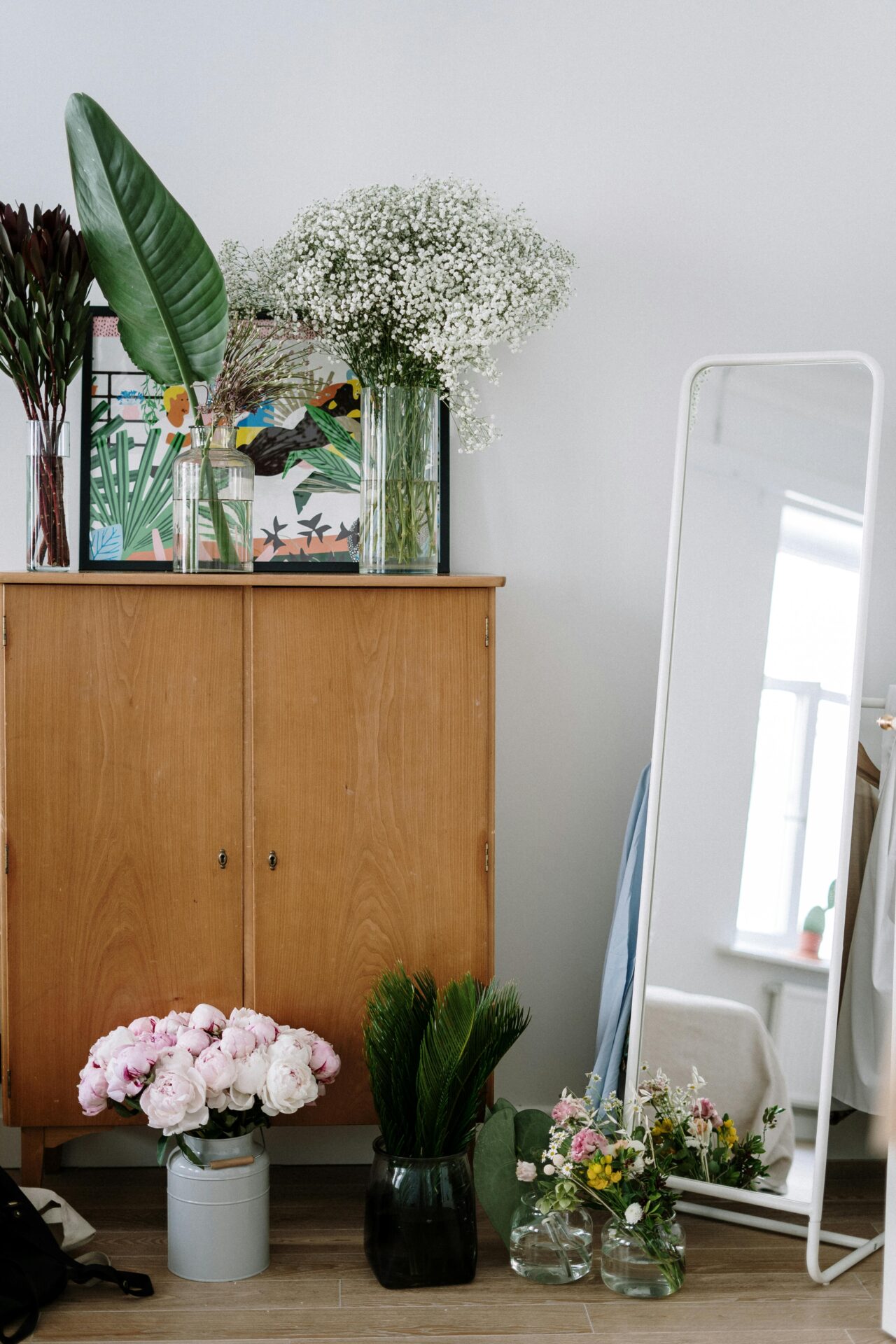
Furniture choice is critical in multifunctional spaces. Pieces that serve more than one purpose—like fold-out desks, extendable tables, or storage ottomans—offer flexibility without cluttering the room. Modular furniture allows reconfiguration depending on daily needs, while built-in storage solutions keep the area tidy and functional. Additionally, ergonomic considerations ensure that workspaces are comfortable and promote health, especially when used for extended periods.
Technology integration is essential for modern multifunctional spaces. Wireless charging stations, concealed cable management, and smart home devices minimize visual clutter and enhance convenience. Sound management is equally important: using rugs, curtains, or acoustic panels helps control noise between zones, preserving concentration during work and serenity during relaxation. For a comfortable yet stylish home environment, even casual attire like skinny ankle jeans complements the modern multifunctional lifestyle.
Finally, the choice of materials and colors impacts both the functionality and the mood of the space. Durable, easy-to-clean surfaces are preferable in areas that see heavy use, while soothing tones and textures help create a calm environment conducive to both work and play. Personal touches and art can unify the space, making it feel inviting despite its varied uses.
Practical Examples and Innovative Solutions
Around the world, designers and homeowners are embracing innovative solutions to create multifunctional living areas that adapt to evolving lifestyles. One popular approach is the use of room dividers that can be easily moved or folded away, such as sliding panels, curtains, or open shelving units. These elements maintain openness while allowing temporary separation when privacy or focus is needed. For example, a translucent panel can shield a home office setup from a lounge area without cutting off light or airflow. Many of these ideas are inspired by experts like South Florida interior designers who blend functionality with stylish, coastal-inspired aesthetics.
Another practical solution involves integrating technology into furniture. Desks with built-in charging ports, monitor arms, and adjustable heights transform everyday tables into efficient workstations. Murphy beds or fold-down desks are particularly useful in smaller homes, allowing a guest room to convert into a workspace or vice versa within minutes. Furniture that “disappears” or transforms helps optimize limited space, making multifunctionality achievable even in compact apartments. Adding outdoor comfort through fire features installation in Green Bay also enhances functionality, turning small patios into cozy, multi-use retreats.
Incorporating multifunctional kitchen islands has become increasingly popular, serving as a cooking prep area, dining table, and informal workspace. Paired with bar stools and adjustable lighting, these islands encourage interaction and socializing while supporting work or hobbies. Open shelving nearby can store office supplies or crafting materials, blending seamlessly with kitchen essentials.
Storage innovations also play a pivotal role. Modular shelving, under-sofa drawers, and hidden compartments keep clutter at bay, which is vital in maintaining the appeal and functionality of open spaces. A well-organized environment reduces distraction and stress, allowing residents to switch between work and relaxation more fluidly.
Incorporating natural elements, such as indoor plants, enhances multifunctional areas by improving air quality and adding visual interest. Plants create a soothing backdrop that benefits concentration and mental well-being. Biophilic design principles emphasize the integration of nature within living spaces, a practice that perfectly complements multifunctional concepts. In urban homes, features like basement access doors in NYC can be upgraded to maintain both safety and style while supporting flexible, well-designed spaces.
The rise of home gyms or fitness corners within living rooms illustrates multifunctionality from a wellness perspective. Foldable exercise equipment, mats that double as play areas, and wall-mounted screens for virtual workouts show how living spaces can support physical health alongside work and leisure.
Benefits and Challenges of Multifunctional Living Areas
The benefits of multifunctional living areas are numerous and reflect modern-day priorities. Foremost among these is space efficiency—making the most of limited square footage by combining multiple uses in a single room. This approach is ideal for urban dwellers, small families, or anyone looking to reduce clutter and simplify life. Multifunctional spaces can reduce the need for extra rooms, lowering construction and maintenance costs. For those planning to build from the ground up, exploring home land for sale in Appleton, WI, offers opportunities to design versatile spaces that suit evolving lifestyle needs.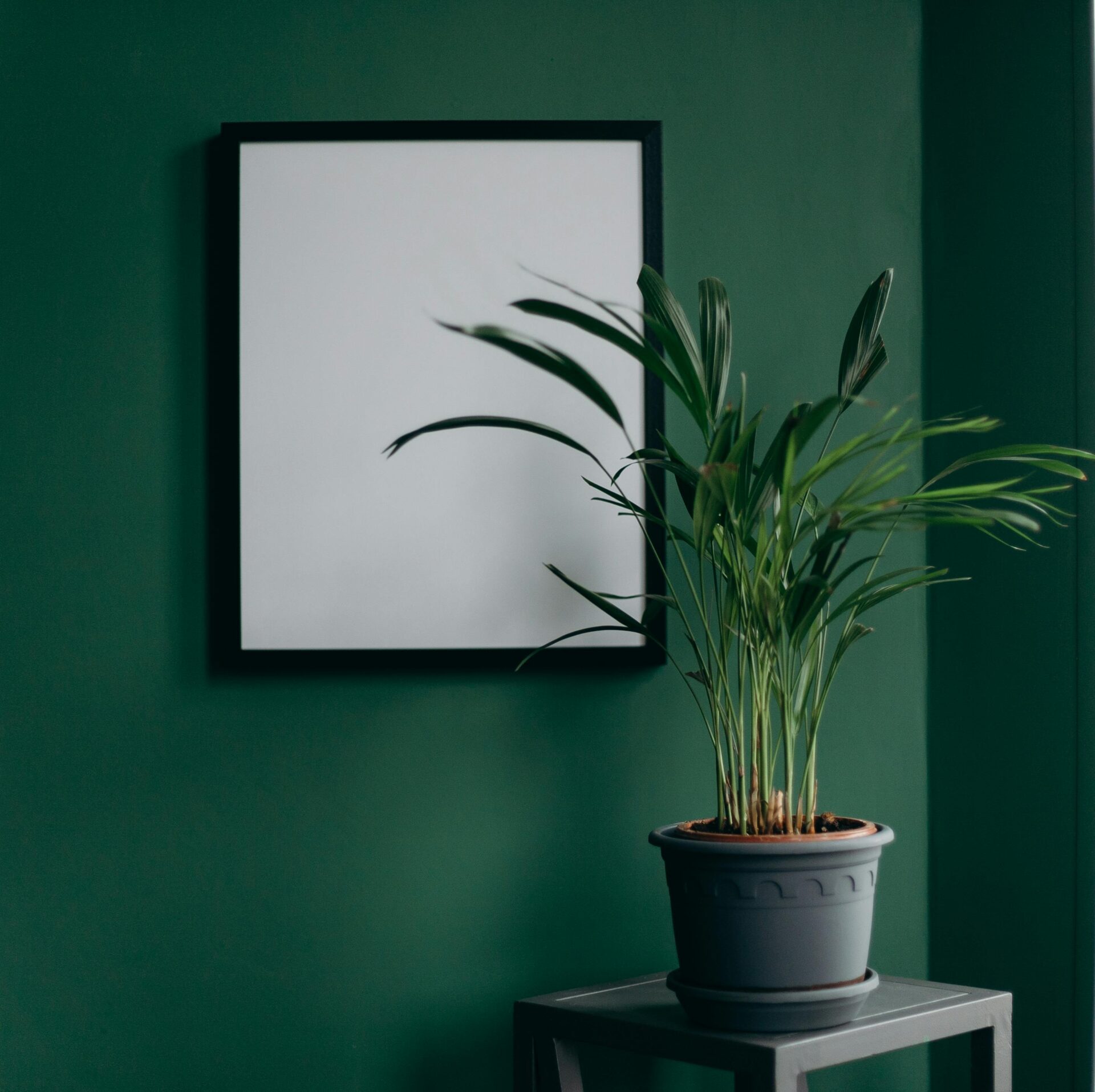
Flexibility and adaptability are key advantages. As family dynamics or work patterns change, the space can be easily reconfigured to meet new needs. For instance, a child’s play area can transform into a study zone or an adult’s hobby corner. This flexibility supports long-term livability and increases property value.
Multifunctional spaces also encourage social interaction and connection. Open layouts foster communication and inclusiveness, allowing family members or roommates to share activities even while pursuing different tasks. This helps combat isolation, especially important in homes where remote work or online schooling is prevalent. Adding elegant lighting can further enhance these spaces, which is why chandelier installation in Orlando is a popular choice for creating warmth and style.
However, these benefits come with certain challenges. One major challenge is maintaining a clear boundary between work and leisure to prevent burnout. When the same space hosts both professional activities and relaxation, it can be difficult to “switch off.” Thoughtful zoning, soundproofing, and routines can help, but discipline remains essential.
Designing multifunctional spaces requires careful planning and investment in quality furnishings and technology. Poor design can lead to clutter, confusion, or ineffective use of space. Additionally, not all architectural layouts lend themselves easily to multifunctional uses, and retrofitting existing homes may pose structural or aesthetic difficulties. Just as thoughtful planning is crucial in design, seeking payday loan relief can provide individuals with a strategic approach to managing financial challenges effectively.
Privacy can also be a concern, especially in shared living environments. Balancing openness with personal space demands creativity and compromise. Finally, the constant transition between functions can lead to wear and tear on furniture and surfaces, necessitating durable materials and good maintenance. Organizations navigating complex operations often turn to data analytics consulting services to make informed decisions and optimize efficiency.
Conclusion: The Future of Living Spaces
The evolution of open spaces into multifunctional living areas is not merely a trend but a reflection of broader societal changes in how we live, work, and interact. By embracing flexibility, smart design, and technology integration, homeowners can create dynamic environments that respond to diverse needs without sacrificing style or comfort. The blending of work and play within a single space speaks to a more holistic approach to living, where balance and adaptability are paramount.
As remote work and hybrid lifestyles become the norm, the demand for multifunctional spaces will only increase. Future innovations in furniture design, smart home systems, and sustainable materials will further empower homeowners to customize their environments for maximum utility and well-being. Moreover, these spaces can promote social connection and mental health by fostering openness and interaction. Supporting local and sustainable living also aligns with this lifestyle, inspiring many to choose pastured eggs in Boise, ID, for fresh, ethical, and nutrient-rich food options.
While challenges exist—particularly in maintaining clear boundaries and privacy—creative solutions and thoughtful planning can overcome these hurdles. The multifunctional living area offers a blueprint for the future home: one that is efficient, inclusive, and responsive to life’s evolving rhythms.
Ultimately, open spaces reimagined are about empowering individuals and families to thrive in a changing world, turning their homes into versatile sanctuaries that nurture productivity, creativity, and joy. Whether it’s a small apartment in a bustling city or a spacious suburban residence, the multifunctional living area represents the future of comfortable, meaningful living.
About the Author
